There’s something magical about the sound of baby chicks peeping right after they break out of their shell. Whether you’re managing a working farm, raising a backyard flock, or teaching young ones how to care for animals, raising chicks is a hands-on job and a meaningful, rewarding experience.
At Thomas Moore Feed, we believe that raising healthy chicks starts with preparation. A safe environment, consistent care, and balanced nutrition are essential elements in the early stages of life. In this guide, we’ve compiled a list of the basics to help you raise a strong, active flock.
Set Up a Warm & Secure Brooder
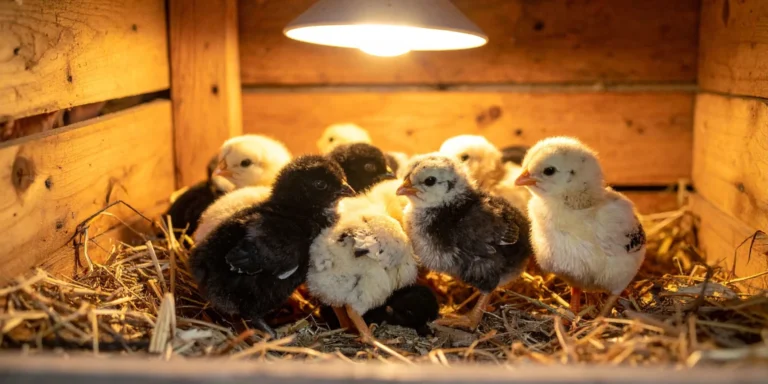
First things first: you need to set up a safe, secure brooder. Baby chicks can’t regulate their own body temperature, so a safe, controlled environment is essential from day one.
The key elements of a properly prepared brooder include:
- A clean, draft-free enclosure
- Dry, absorbent bedding (pine shavings work great)
- Protection from pets and predators
- Adequate space for chicks to move, rest, and feed easily
Plan a minimum of 6 square inches per chick at first and expand the brooder as they grow and become more active.
Make Sure the Temperature is Right
As mentioned, young chicks can’t regulate their own body temperature, so they rely on their environment to stay warm. Lack of consistent warmth can stress your chicks, resulting in slow growth and making them more vulnerable to illness.
Recommended brooder temperatures are as follows:
- 95°F during the first week
- Decrease the temperature by 5°F each week
- Continue adjusting until the brooder reaches room temperature
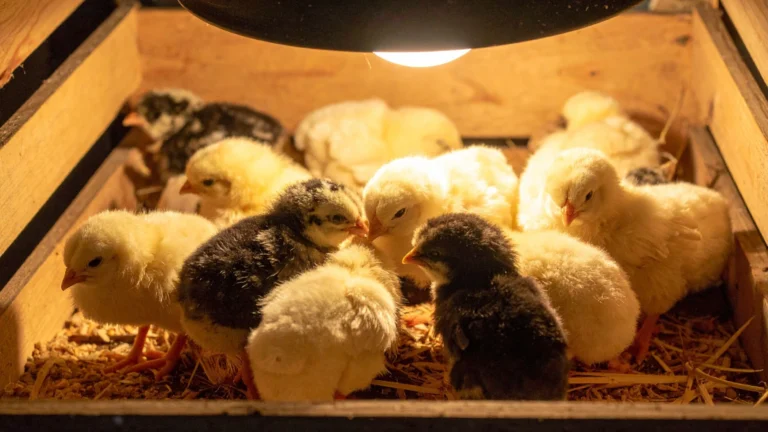
Keep a close eye on your chicks to determine how they’re doing. If they huddle together, they’re cold; however, if they’re spread far apart and avoid the heat source, they’re hot. Keeping your chicks warm is one of the most important parts of early care.
Use Proper Lighting
The light bulbs you use will generate all or a good portion of the heat your baby chicks require. Since heat is so critical, using the right bulbs is essential for their safety and development.
Keep these general guidelines in mind when selecting lighting for your brooder:
- Use a 60- or 100-watt incandescent bulb for smaller flocks
- Opt for an infrared heat lamp for larger broods
- Position the heat source 18 inches above the chicks
- Raise the lamps 3 inches per week to adjust for growth
Use extreme care when securing the heat lamps and inspect them regularly. Proper installation helps prevent overheating and reduces the risk of fire hazards.
Provide a Steady Supply of Clean Water
Proper hydration plays a critical role in the health and development of your chicks. They should have access to a steady supply of clean, fresh water to support proper growth, digestion, and their overall well-being.
The following tips will ensure your chicks are properly hydrated:
- Provide clean, fresh water at all times
- Make sure the water is always clear, odorless, and bacteria-free
- Refresh water daily and clean containers regularly
Expect baby chicks to drink between 1-2 cups of water per day. To prevent wet bedding and health issues, use stable, tip-resistant water containers.
Feed for Health Growth & Development
Proper poultry nutrition is vital during the early stages of a chick’s life. A high-quality chick starter feed provides the proteins, vitamins, and minerals young birds need to develop strong bones, healthy features, and robust immune systems.
Recommended feeding practices include:
- Providing chick starter feed free-choice at least twice a day
- Using shallow trays or lids during the first week
- Transitioning to larder feeders as chicks grow and become more active
- Checking feeders regularly and keeping them full
- Replacing feed every other day to avoid spoilage
- Storing feed in a cool, dry location to maintain freshness
Nutritional requirements will change as your birds mature. At around 4 to 6 months, most laying birds can be transitioned to layer feed or hen scratch, depending on your production goals.
At Thomas More Feed, we carefully formulate feeds to support poultry at every stage of life. You can find our products at trusted feed dealers across Texas, so just ask for Thomas Moore Feed by name at your local provider.
Raise Strong, Healthy Chicks from the Start
Raising baby chicks doesn’t have to be complicated, but it does require taking the right approach. Providing a warm, secure environment, healthy feed, and plenty of fresh water are all key to ensuring a healthy, productive flock. Thomas Moore Feed has been supporting Texas producers for generations with quality feed formulated for each stage of life. If you’re ready to give your flock a strong start, visit your local poultry feed supplier and ask for Thomas Moore Feed.