Crisp air, early sunsets, and frosty mornings; so many changes occur in December. The shorter days and slower pace of life at this time of year provide the perfect opportunity for chicken keepers to give their birds’ combs and wattles some attention. These brightly colored, eye-catching features are for more than show; they play a key role in a chicken’s health and can offer valuable insights about nutrition, stress, and overall well-being — if you know what to look for.
Thomas Moore Feed understands that to raise healthy poultry, you need to understand all aspects of your birds — including their combs and wattles. Whether you’re managing a commercial operation or tending to a backyard coop, in this guide, you’ll learn what kind of information combs and wattles can reveal, and how proper nutrition helps keep them in top condition.
What are Combs and Wattles Anyway?
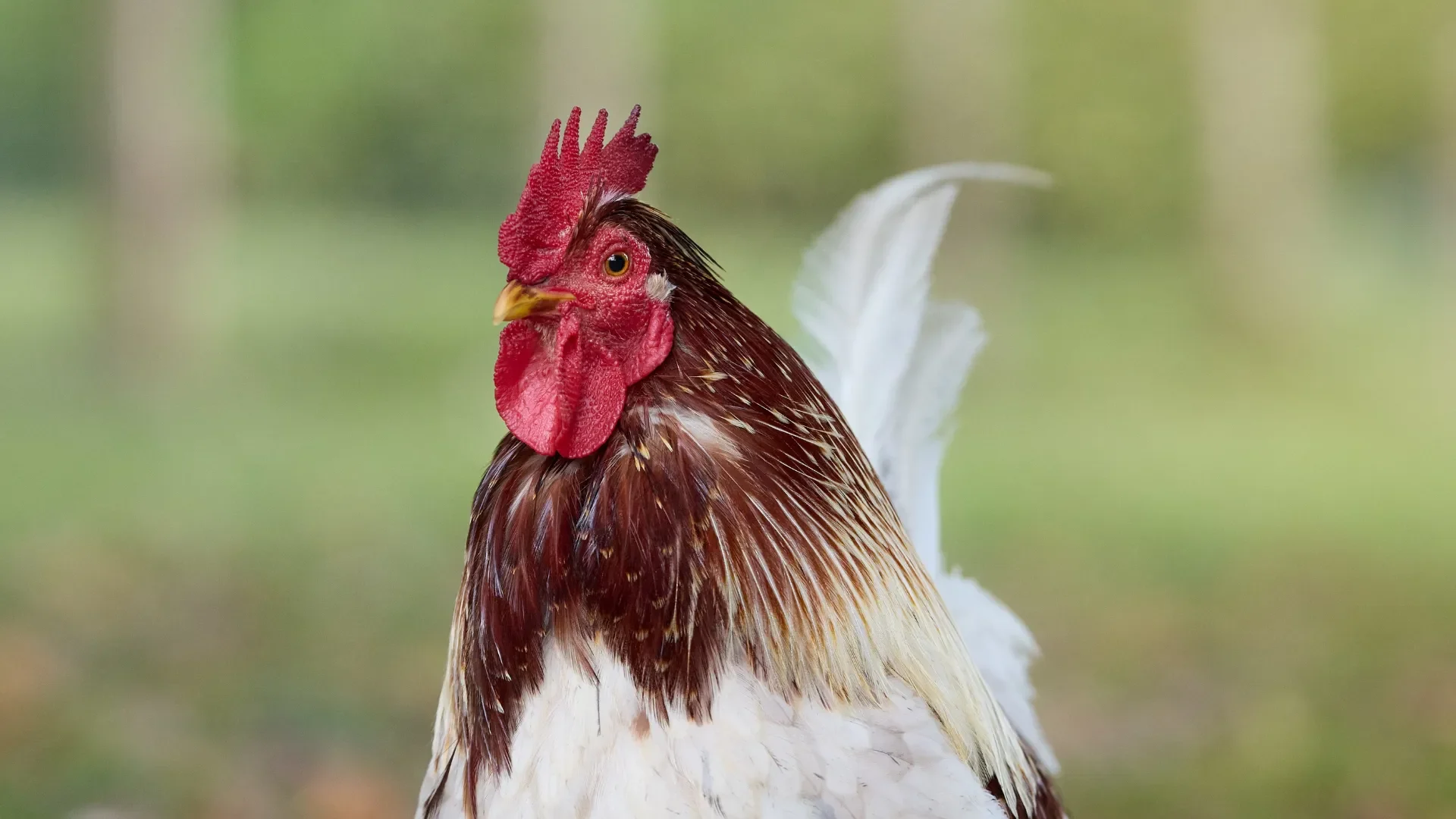
Those bright red features on the top of a chicken’s head (the comb) and underneath the chin (the wattle) may be visually pleasing, but they’re more than just decorations. Combs and wattles are vital to a chicken’s overall health and well-being.
- The Comb: The comb is a flesh-like ridge on the top of a chicken’s head. It plays a key role in heat regulation, tells you how old they are, and indicates their vitality.
- The Wattle: Dual flaps of skin located underneath the chin, the wattle works in conjunction with the comb to release body heat and helps birds communicate with their flock.
Together, the comb and wattle function as a natural cooling system and provide visual cues that allow you to keep tabs on the health of your chickens.
Why Combs and Wattles Matter
At first glance, combs and wattles might appear to be nothing more than physical traits, but in reality, they are invaluable tools that can tell you a lot about your birds. When you understand what these features can tell you, you’ll be able to spot potential issues early on and keep your flock thriving.
- Temperature Regulation: Like all birds, chickens can’t sweat, so they depend on their combs and wattles to expel heat. Think of them as cooling fins. The warm, red tissue allows them to release excess heat, even on cold winter days.
- Health Indicators: Combs and wattles can indicate a chicken’s health. When they’re full and bright red in color, your birds are well-nourished and have good circulation. Changes in color or texture can be a sign of nutritional deficiencies, stress, or illness.
- Reproductive Cues: In many chicken breeds, the combs and wattles indicate sexual maturity and fertility, allowing hens and roosters to communicate when they’re ready to mate.
The Different Types of Combs
Combs come in a variety of shapes and sizes. The structures and traits vary from breed to breed, and knowing which type your flock has can help you better understand the health of your birds.
- Single Comb: The quintessential upright ridge with evenly spaced points.
- Rose Comb: Wide, flat, and designed to handle cold weather.
- Cushion Comb: Round, smooth, and close to the head, with low frostbite risk.
- Pea Comb: Compact, low-profile, and well-suited for cold climates.
- Strawberry & Walnut Combs: Often seen on specialty breeds, these combs have a rounded, textured appearance.
Common Varieties of Wattles
Like combs, wattles vary by breed. Familiarizing yourself with the type of wattle your chickens have is important for understanding their current state of health.
- Small Wattles: Common on cold-hardy breeds, they reduce the risk of frostbite.
- Medium Wattles: Often seen on dual-purpose breeds and useful for monitoring nutrition and circulation.
- Large Wattles: Prominent in Mediterranean breeds, these wattles are more sensitive to cold temperatures.
- Asymmetrical or Specialty Wattles: Rare and ornamental breeds can have unique wattle shapes, and worth knowing what’s normal for your birds.
Signs of Healthy Combs and Wattles
Combs and wattles can tell you a lot about your chickens’ current state of health. Signs that they’re thriving include:
- Bright red and uniform in color
- Smooth texture with no cracking, crusting, or shriveling
- Plump and well-hydrated in appearance
- Warm (not hot) to the touch
If anything appears unusual, your birds could be malnourished, stressed, or unwell.
Good Nutrition: The Foundation of Healthy Combs and Wattles
What your birds eat directly impacts the condition of their combs and wattles. Feeding your flock the right balance of protein, vitamins, minerals, and energy will help them maintain:
- Good circulation
- Healthy immune systems
- Vibrant, rich color
- Improved resilience against cold, heat, and seasonal stress
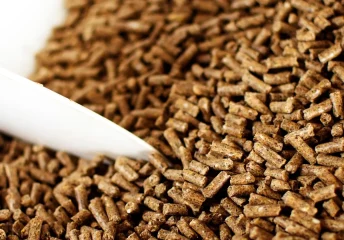
At Thomas Moore Feed, we provide well-balanced poultry feeds that are specially formulated for all types of chickens at every stage of life. When your birds receive the nutrients they need, their combs and wattles will show it.
Keep Your Flock Healthy and Strong All Winter Long
Those brightly colored combs and wattles are more than just decorative; they indicate the overall health of your birds — including how well they are handling the cold. With a well-balanced diet, attentive care, and careful monitoring, you can keep your chickens healthy and productive all winter long. Visit your local dealer and ask for premium-quality poultry food from Thomas Moore Feed today.