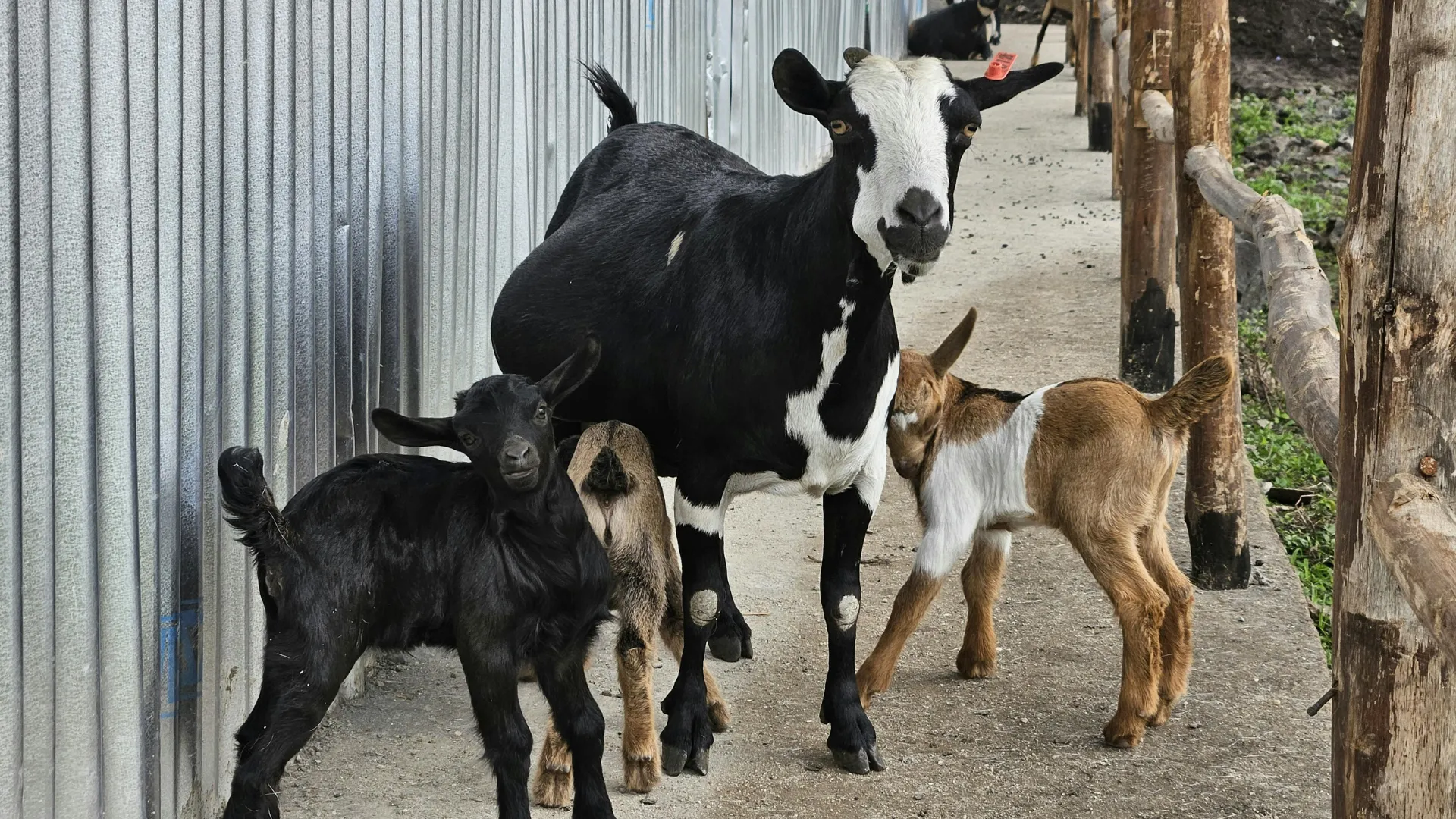
If you’ve ever interacted with goats, you know how curious, playful, and funny they can be. You also know how adventurous they are — especially when it comes to food. While they can nibble on just about anything, the idea that they’ll “eat anything” just isn’t true. If you care for goats, it’s essential to know what they should (and shouldn’t) eat. After all, diet is the foundation of healthy, productive, and happy animals.
At Thomas Moore Feed, we know that proper nutrition is key to maintaining a thriving herd. Whether you’re raising goats for dairy, meat, or companionship, feeding them a balanced diet will help keep your animals in top shape.
How to Feed Goats the Right Way
When it comes to eating, unlike other animals, goats are browsers, not grazers. In other words, they prefer a mixture of food; rather than just nibbling on grass like cows, they also like to eat weeds, leaves, and even shrubs. Their unique stomachs are comprised of four chambers, and while they can efficiently digest fibrous plant matter, a balanced diet is vital for their health.
A well-rounded goat diet should include:
- Foraging & Browsing: Goats thrive on variety, so give them access to a combination of brush, woody plants, weeds, and twigs to keep them happy and healthy.
- Hay: High-quality hay, such as alfalfa or grass hay, is packed with fiber and essential nutrients.
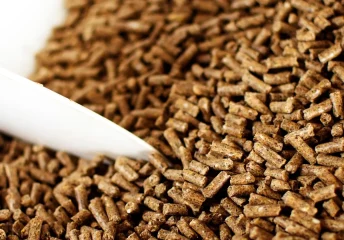
- Grains: Grains are a great source of calories, providing lactating does, growing kids, and working bucks the energy they need to thrive; however, keep in mind that grains should be offered in moderation.
- Minerals: To avoid deficiencies and support strong bones, healthy coats, and general vitality, provide your herd with mineral supplements that are specially formulated for goats (especially selenium and copper).
- Water: Make sure your goats always have access to fresh, clean water to support proper digestion and hydration.
What Goats Shouldn’t Eat
While goats may be adventurous when it comes to eating, that doesn’t mean everything they munch on is safe. Some species of plants and certain types of foods can be toxic, and some can even cause serious health complications when eaten in large quantities. Here are some of the key items that should be avoided:
- Toxic Plants: When maintaining areas your goats have access to, be sure to remove or partition the following plants, as they can be highly toxic if consumed:
- Azaleas
- Rhododendrons
- Nightshade
- Yew
- Oleander
- Mountain Laurel
- Human Food and Kitchen Scraps: Though your goats may beg for scraps, their digestive systems can’t handle several types of human foods. Healthy foods, such as fruits and vegetables, can be offered as occasional treats, but never feed the following to your goats:
- Breads and processed foods, such as cereals and chips
- Chocolates, candies, and sugary treats
- Onions, garlic, and avocado
- Moldy, spoiled, or fermented foods
Customizing Nutrition for Every Age and Stage
Like people, no two goats are alike. Nutritional requirements vary according to age, stage, and purpose. From young nursing kids to milking does, customizing nutrition will ensure every goat in your herd thrives.
- Kids: For young goats, the following menu will provide the nutrition they need to grow strong and healthy:
- Offer soft, high-quality hay.
- Provide access to fresh, clean water.
- Slowly introduce small amounts of grains.
- Offer loose minerals, such as calcium and trace elements.
- Dairy Goats: A lot of energy and protein is needed to produce milk, so dairy goats require nutrient-rich feed to stay healthy and productive:
- Provide high-energy feed to support milk output.
- Maintain protein levels to further support and maintain the production of quality milk.
- Balance calcium and phosphorus levels to avoid metabolic issues.
- Meat Goats: Goats raised for meat need a diet that supports lean, steady growth:
- Ensure access to roughage to support digestion.
- Supplement with grain or energy-dense feeds to support healthy weight gain.
- Keep tabs on protein levels to encourage lean muscle development.
The Importance of Quality Feed
Goats are very resilient, but they perform best when offered a consistent supply of well-balanced feed. Low-quality feed can lead to a range of issues, including nutritional deficiencies, digestive upset, and poor growth. For generations, Texas ranchers and farmers have been relying on Thomas Moore Feed for premium-quality goat feed.
From growing kids to mature adults, our formulas are specifically crafted to support every stage and purpose, providing the right combination of energy, vitamins, and minerals. Our products are offered at trusted feed dealers throughout Texas, ensuring you have convenient access and expert advice from knowledgeable professionals, wherever you’re located.
Keep Your Goats Healthy with Proper Nutrition
Goats may be adaptable, but they need proper nutrition to remain in great shape. Providing your herd with the right blend of forage and quality feed will set your goats up for long-term success and ensure they provide value to your farm or ranch.
At Thomas Moore Feed, we’re proud to support Texas goat owners with the nutritional solutions they need to keep their animals strong and healthy. Ready to give your herd the best? Find a local Thomas Moore Feed dealer and see for yourself the difference quality nutrition makes.