You don’t need a passport, a pricey camera, or a trip to a wildlife refuge to start bird watching. Some of the best birding in Texas happens right outside your kitchen window. With a feeder, the right seed, and a little patience, you can turn your backyard into a busy stop for cardinals, chickadees, finches, and hummingbirds.
Here’s how to get started.
The easiest place to begin is home. Pick a spot you can see from a window you use every day, the breakfast table, your desk, or the back porch. Birds are most active in the early morning and late afternoon, so a quick look with your morning coffee is often all it takes to see a surprising variety.
One or two feeders are plenty to start. As you learn which birds visit, you can add more.
Place feeders either within about 3 feet of a window or more than 10 feet away to help reduce window strikes. Set them near shrubs or trees so birds have comfort and quick cover from hawks and cats, but far enough away that squirrels can’t get to the feeders.
What you put in the feeder decides who shows up. Here’s a simple guide to matching your seed to the birds you want to see:
| If you want to... | Try this | Why it works |
|---|---|---|
| Attract a wide variety of birds | Texas Wild Blend | Contains a blend of ingredients that appeal to a wide variety of Texas birds. |
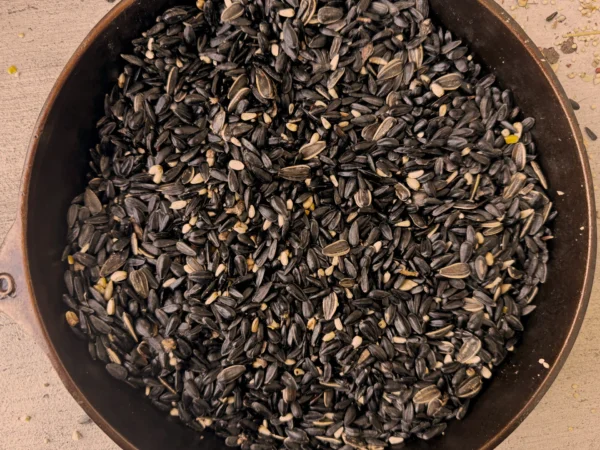
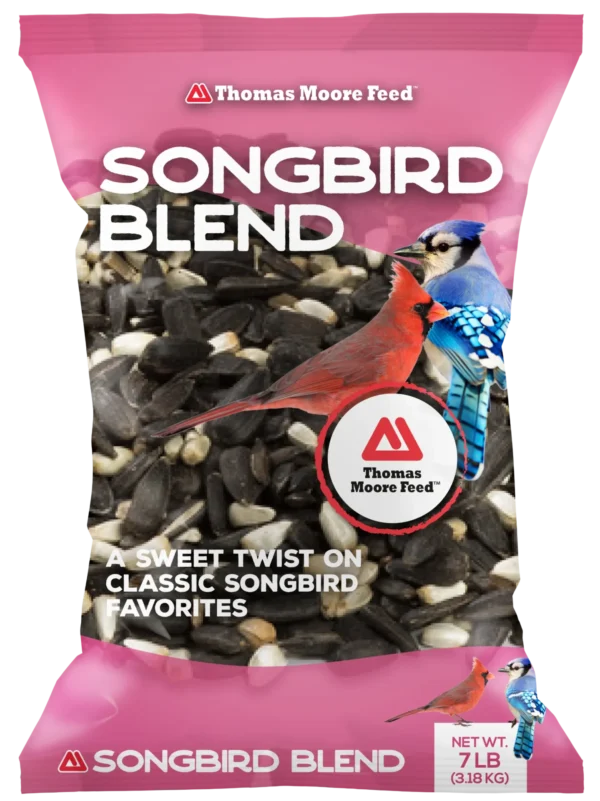
| See more cardinals | Songbird Blend or Wild Bird No Milo | Cardinals and other small songbirds prefer black oil sunflower and tend to avoid eating milo. |
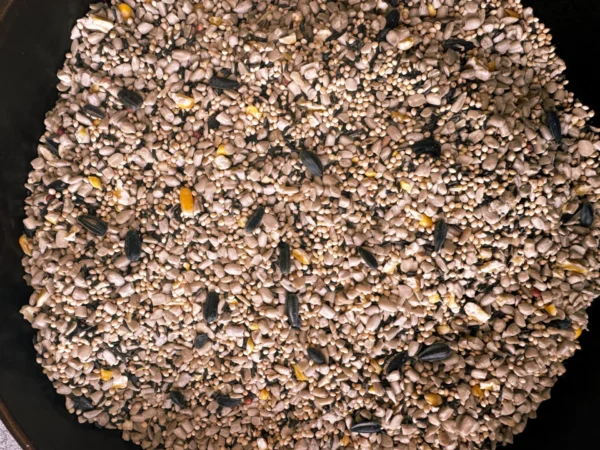
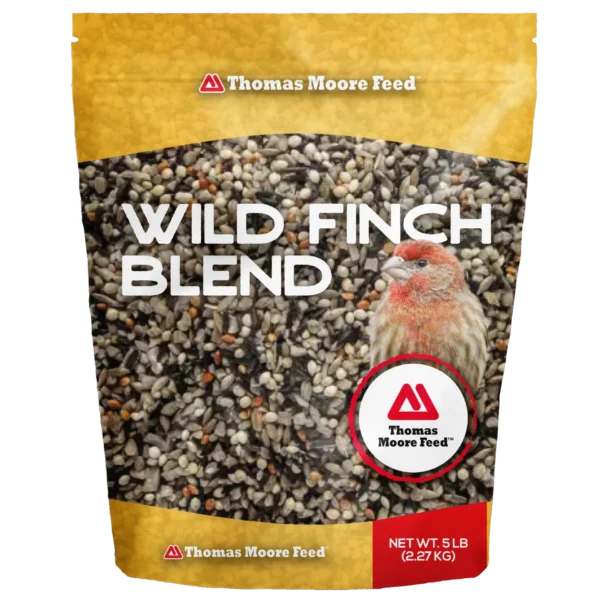
| Bring in finches | Wild Finch Blend | Made for small-billed birds like goldfinches and house finches. |
| Keep patios and flower beds tidy | Shell Free No Sprout | No shells to sweep up and less unwanted sprouting under feeders. |
| Attract jays, woodpeckers, and fruit-lovers | Fruit & Nut Blend | A mix of raisins, papaya, and peanuts for birds that skip plain seed. |
| Welcome hummingbirds | Hummingbird Nectar | Easy-mix nectar, just follow the directions on the pouch. |
| Keep squirrels from eating your birdseed | Backyard Blend | Gives squirrels their own treat to enjoy! |
Browse the full Wild Bird Seed line to find the right fit for your yard.
Seed brings birds in, but water keeps them coming back, especially during a Texas summer. A shallow birdbath (1–2 inches deep) gives birds a place to drink and bathe. Rinse and refill it every few days. Native shrubs, trees, and flowering plants offer shelter, nesting spots, and natural food sources that make your yard even more inviting.
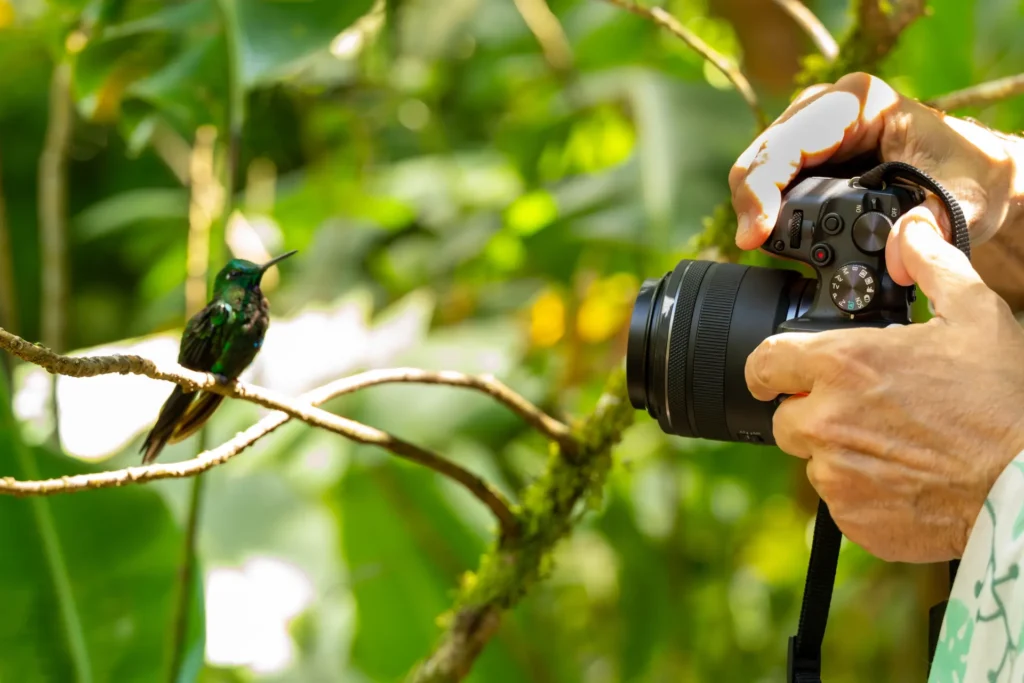
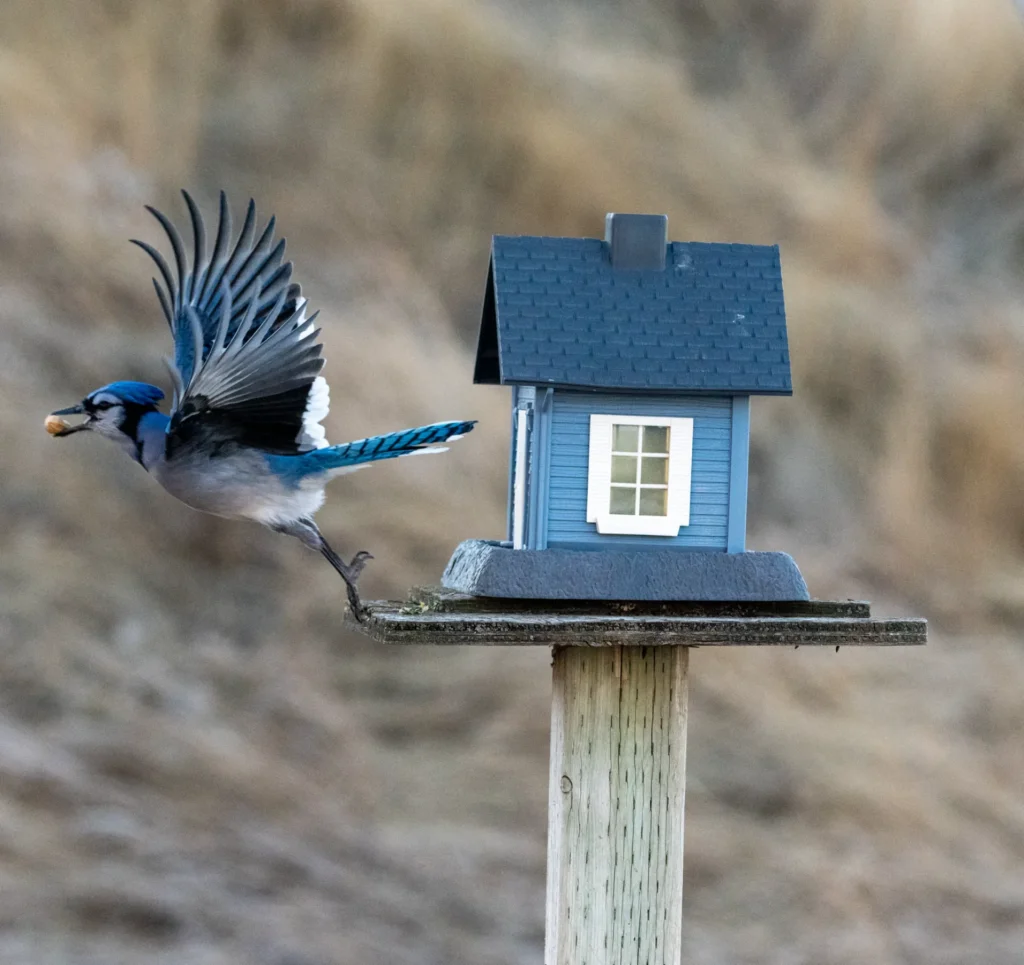
When a new bird shows up, resist grabbing the field guide right away. Watch first, and take note of:
| Bird | What to look for | Favorite foods |
|---|---|---|
| Northern Cardinal | Bright red males, tan females, both with a crest | Sunflower, shelled blends |
| Carolina Chickadee | Tiny, with a black cap and bib | Sunflower, shelled seed |
| Titmouse | Small gray bird with a crest | Sunflower, nuts |
| House Finch | Males have a red head and chest | Mixed seed, finch blends, Nyjer seed |
| American Goldfinch | Bright yellow in spring; duller in winter | Finch blends, Nyjer seed |
| Blue Jay | Bold blue, loud calls | Peanuts, sunflower |
| Mourning Dove | Soft tan-gray; feeds on the ground | Mixed seed on trays or the ground |
| Northern Mockingbird | Gray with white wing flashes; Texas' state bird | Fruit |
| Hummingbirds | Tiny and fast, often heard buzzing before seen | Nectar, tubular flowers |
Clean feeders help keep birds healthy. Replace seed every few days for continued freshness, and always empty old, wet seed before refilling. Wash feeders every couple of weeks with hot, soapy water (or a mild bleach solution), rinse well, and let them dry completely before refilling. Change hummingbird nectar every few days, more often when it’s hot.
Bird watching is a hobby you can enjoy for a lifetime — and it all starts with a full feeder. Stock up on Thomas Moore Feed wild bird seed at a store near you using our Dealer Locator, and follow along with the season using our Hummingbird Tracker.
Print them out, keep them by the window, and start checking off the birds you spot in your backyard.
We use cookies to improve your experience on our site. By using our site, you consent to cookies.
Manage your cookie preferences below:
Essential cookies enable basic functions and are necessary for the proper function of the website.
These cookies are needed for adding comments on this website.
Google reCAPTCHA helps protect websites from spam and abuse by verifying user interactions through challenges.
Google Tag Manager simplifies the management of marketing tags on your website without code changes.
Statistics cookies collect information anonymously. This information helps us understand how visitors use our website.
Google Analytics is a powerful tool that tracks and analyzes website traffic for informed marketing decisions.
Service URL: policies.google.com (opens in a new window)
SourceBuster is used by WooCommerce for order attribution based on user source.
You can find more information in our Cookie Policy and Privacy Policy.