A horse’s feed does more than satisfy their hunger; it supports their health, fuels their performance, and improves their quality of life. From maintaining a glossy coat to boosting energy levels, what your horse eats directly impacts their overall well-being. But feeding a horse isn’t always as easy as simply filling up a bucket with grain and tossing out a bale of hay. Equine nutritional needs vary based on age, condition, and lifestyle.
Whether your horse works hard on a ranch, performs in competitions, or is simply a beloved companion, having a firm understanding of equine nutrition is essential. At Thomas Moore Feed, we know that quality nutrition is a fundamental building block of a healthy horse. To assist you with supporting your horse’s health, we’ve put together a guide that breaks down the basics of equine nutrition.
Forage: The Foundation of a Healthy Horse Diet
A proper equine nutrition program should always start with forage. Because horses are natural grazers, they are designed to process small amounts of fiber throughout the day. A steady supply of high-quality hay and pasture provides the fiber needed to maintain a healthy digestive system, support gut function, and encourage instinctive grazing habits.
Not all forage is created equal, however, so it’s important to keep the following factors in mind:
- Quality: Choose clean, fresh-smelling hay that’s free of mold, dirt, and dust. Additionally, to maximize nutritional value, it should contain a healthy blend of leaves and stems.
- Availability: To support natural grazing behaviors and digestive health, always make sure a supply of hay or pasture is readily available.
- Individual needs: Consider your horse’s age, workload, physical condition, and metabolism, as these factors may affect the type and amount of forage required.
While high-quality hay and pasture are vital, they may not provide the full nutritional profile your horse needs. Supplementing with well-balanced horse feed can fill in any gaps and support overall health.
Recognize When Your Horse Needs Additional Nutrition
Though forage should make up the bulk of a horse’s diet, to maintain peak condition, some horses may require additional nutrition. Growing, working, performance, and breeding horses, as well as those that are struggling to maintain weight, can benefit from concentrated feed that’s specifically formulated to supply additional protein, vitamins, and minerals.
It’s important to keep in mind, however, that feeding more doesn’t necessarily mean feeding better. To maintain a healthy balance, selecting the right horse feed (and feeding the right amount) is vital. If your horse requires supplementation, for the best results, choose a feed that provides:
- Protein to support energy levels and muscle development
- Balanced vitamins and minerals to maintain overall health
- Energy sources that are appropriate for your horse’s activity level and workload
- Premium-quality ingredients that deliver reliable nutrition
When combined with quality forage, a properly formulated equine feed can provide the nutrition your horse needs to thrive.
Don’t Overlook the Importance of Water and Minerals
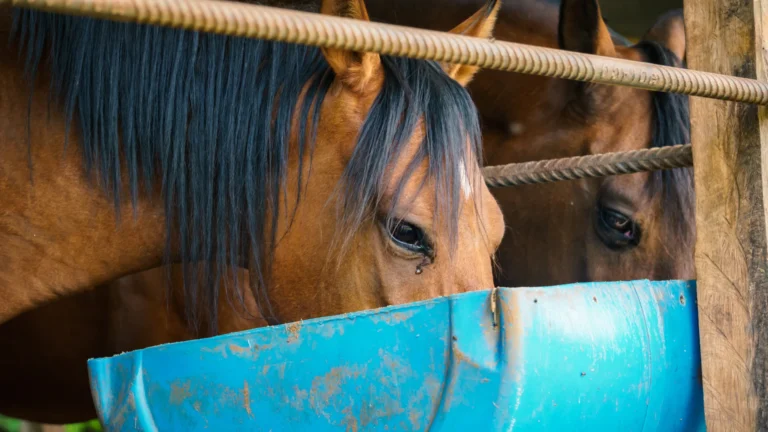
Proper equine nutrition involves more than selecting the right hay and horse feed. Providing unlimited access to fresh, clean water and the right balance of essential minerals is just as important. Water aids in digestion, hydration, and temperature regulation, and essential minerals, such as salt, help to support many bodily processes.
Because nutritional needs change and depend on things like activity level, forage quality, age and stage of life, and even weather conditions, a horse’s mineral intake should be evaluated as part of their overall diet. To maintain optimal health and performance, make sure your horse has a constant supply of clean water and the right mineral support.
Understand How a Horse’s Nutritional Needs Change Over Time
There isn’t a “one-size-fits-all” approach to equine nutrition. For example, the nutritional needs of a growing foal and a senior horse are quite different. The same is true for a hardworking ranch horse and one that spends most of their time on a pasture.
When planning an equine nutritional program, the following factors should be taken into consideration:
- Age and stage of development
- Overall physical condition
- Daily workload and activity level
- Breeding status
- Seasonal changes and available forage
Taking the time to assess the health and condition of your horse on a regular basis is essential, as it will help to guide your feeding decisions and ensure their nutritional needs are met.
Ensure Your Horse Thrives with the Right Equine Nutrition Plan
A balanced, customized feeding program is the foundation of a healthy horse. By supplying the right blend of forage, nutrients, water, and quality feed, you can support your horse’s well-being throughout every stage of life.
For generations, Thomas Moore Feed has been providing Texas ranchers and horse owners with reliable, carefully formulated, premium-quality equine feed. Whether you have questions about equine nutrition or you’re ready to find the right feed for your horse, contact us today or visit a local equine feed dealer and ask for Thomas Moore Feed by name.