Preparing your land for hunting season is almost magical. There’s something satisfying about watching food plots take shape, seeing green shoots emerge, and spotting fresh signs of wildlife activity along a familiar trail.
But creating a productive setup requires more than good timing and a little luck. Choosing the ideal location for a food plot, planting the right forage, and planning your hunting stand placement all play a role in the process.
When it comes to creating a productive food plot and positioning your stand for the right hunting experience, there are several factors to consider. Whether you’re a farmer, a rancher, or a landowner, here are some helpful tips to keep in mind as you get ready for the upcoming season.
Create a Plan Before You Plant
To create a successful food plot, you need to understand your property. Before planting seed, take some time to evaluate your property and decide what you want the plot to accomplish. A strategically placed plot can supplement natural forage and provide sustenance for various species of animals.
When scouting potential locations, consider:
- Wildlife activity: Look for signs of activity, such as existing feeding areas and trails.
- Natural resources: Check for existing forage and nearby water sources.
- Cover: Make sure there’s adequate bedding, nesting, and areas where animals can escape.
- Growing conditions: Examine the soil quality, drainage, and available sunlight.
- Accessibility: Choose a spot that can be easily accessed for planting and maintenance.
A food plot is one piece of a larger wildlife management strategy. By working with the resources that are already available on your property, you can create a setup that’s both useful and sustainable.
Choose a Spot That Works with the Land
After identifying a few potential locations, take a closer look at how each one fits into the landscape. Just because a space is large and open or easy to access doesn’t mean it’s the best spot for a food plot. Also, keep in mind that you don’t have to clear an area. Existing fields and locations that have already been cultivated may be a good starting point.
Before settling on a location, make sure the site can support the forage you plan on growing. Soil texture, pH, and drainage should be considered, as should water availability, as these factors will affect growing conditions. Avoid areas with poor drainage or that erode easily, as they’ll be less suitable for growing. By working with the existing landscape, you’ll be able to create a food plot that’s easy to maintain and benefits both the land and the wildlife using it.
Choose the Right Forage for the Season
Plant selection is another important factor to consider when planning a food plot. Different plants provide forage at different times of the year, so choosing the varieties that work with the season and growing conditions can help ensure supplemental food is available when wildlife needs it.
For cooler months, options might include:
- Wheat
- Oats
- Rye
- Vetch
- Winter peas
For warmer months, consider:
- Millet
- Sorghum
- Beans
- Cowpeas
- Soybeans
- Lablab
Native perennial forbs are also an option, especially if you want to incorporate long-term wildlife habitat into your property. The best choices for your plot depend on your soil, rainfall, location, wildlife needs, and management goals.
Give Your Food Plot a Strong Start
Good seed is only part of the equation. A properly prepared seedbed will increase the chances of germination and plant establishment. Prior to planting, consider having the soil tested to determine if fertilizer or other amendments are necessary. You’ll also want to make sure the seedbed is firm, moist, and relatively free of weeds. When planting, be sure to follow the recommended planting depth for the specific seed.
Timing is important, too. Warm- and cool-season crops should be planted when conditions are ideal for the specific forage and for your specific area. Before planting, pay attention to soil temperatures, rainfall, and moisture levels. Weather can also have a big impact on the establishment of your food plot, so be prepared to adjust your timing as conditions change.
Make Your Stand a Part of the Plan
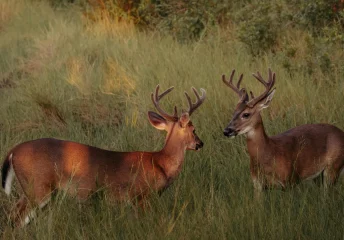
Once you’ve established where wildlife is feeding and moving, you can start thinking about hunting stand placement. For deer, the stand shouldn’t sit over the food plot; rather, consider the paths the deer use to travel between feeding, bedding, and watering.
When choosing a location for your stand, look for:
- Established trails and funnels that concentrate deer movement
- Bedding areas and the routes deer use to access feeding areas
- Food and water sources that may influence where deer travel
- Favorable wind conditions that will help prevent your scent from reaching deer
- Low-impact access routes that allow you to reach your stand without disturbing bedding areas or trails
Taking these details into consideration will help you choose a strategic hunting location for your stand while minimizing disturbances to wildlife.
Make Safety a Top Priority
It doesn’t matter how productive your hunting setup is if your equipment isn’t safe. Before the season begins, be sure to inspect your stand, ladder, straps, hardware, and any other equipment you plan on using. Replace items that are damaged, have loose components, or show signs of excessive wear.
If you’re using an elevated stand, follow the manufacturer’s instructions and use the correct fall protection. Always maintain a clear view of your surroundings and positively identify your target before taking a shot. Checking your equipment and reviewing your setup before the season can help prevent avoidable problems once you’re in the field.
Properly Prepare Your Property for Hunting Season
The best time to prepare your property for hunting is before the season begins. By working with your land, choosing forage that’s well-suited to your property, and carefully planning your stand setup, you can maximize the use of your land while supporting the wildlife that depends on it.
At Thomas Moore Feed, we offer premium-quality feed and nutritional solutions to farmers, ranchers, and landowners across the State of Texas. Our products can be a part of a well-rounded approach to managing your property and providing supplemental forage for wildlife. Ready to prep your property for the upcoming season? Contact us today to learn more about our products or to find a dealer near you.